

Why Gemstones Are Emerging as an Alternative Investment
For decades, gold and silver were the default choice for investors seeking stability. Their liquidity, history, and recognition made them almost untouchable as stores of value. But the landscape of alternative investments is shifting. Gemstones—rare, portable, and visually compelling—are increasingly being considered by individuals and institutions as assets worth holding. While they lack the long-established financial frameworks surrounding metals, gemstones offer diversity and a hedge against inflation. They bring unique challenges but also opportunities for those willing to understand their markets. Their rise reflects both a search for new stores of wealth and the desire to diversify beyond traditional options.
Why Investors Are Turning Toward Gemstones
Markets for traditional assets remain crowded. Gold and silver are still safe havens, but they move with well-known cycles and can be vulnerable to central bank policies. Gemstones, on the other hand, follow different patterns. Their values depend on rarity, fashion trends, and shifts in global demand. Unlike metals, they are not traded in large centralized markets, making them less correlated with global financial volatility. Investors increasingly appreciate this independence. With inflation rising and currencies under pressure, gemstones offer something metals cannot: individuality. Each stone is unique, and that uniqueness carries both risk and potential for long-term appreciation.
Distinctive Value
Every gemstone is one of a kind. This individuality appeals to investors who want assets not defined purely by quantity and market cycles.
How Gemstones Compare to Precious Metals
Gold and silver are fungible: one ounce is interchangeable with another. Gemstones differ. Two sapphires of the same weight can vary enormously in price depending on clarity, cut, and color. This variability makes gemstone markets less predictable but also less standardized. Precious metals are easier to store and liquidate, but gemstones provide compact portability and high value in small sizes. While gold can be melted and reused, gemstones retain value through their specific qualities. This difference is exactly why some investors shift toward stones—they are harder to manipulate as bulk commodities and depend on more localized, collector-driven demand.
Metals vs. Gemstones as Investments
| Factor | Precious Metals | Gemstones |
|---|---|---|
| Market Structure | Centralized, global, standardized | Fragmented, decentralized, varied |
| Liquidity | High, easy to buy and sell | Moderate, requires specialized markets |
| Value Basis | Weight and purity | Rarity, cut, clarity, color |
| Portability | Good but bulky in large volumes | Exceptional, high value in small items |
| Volatility | Linked to global economic shifts | Affected by demand trends, fashion, rarity |
Market Drivers for Gemstone Investment
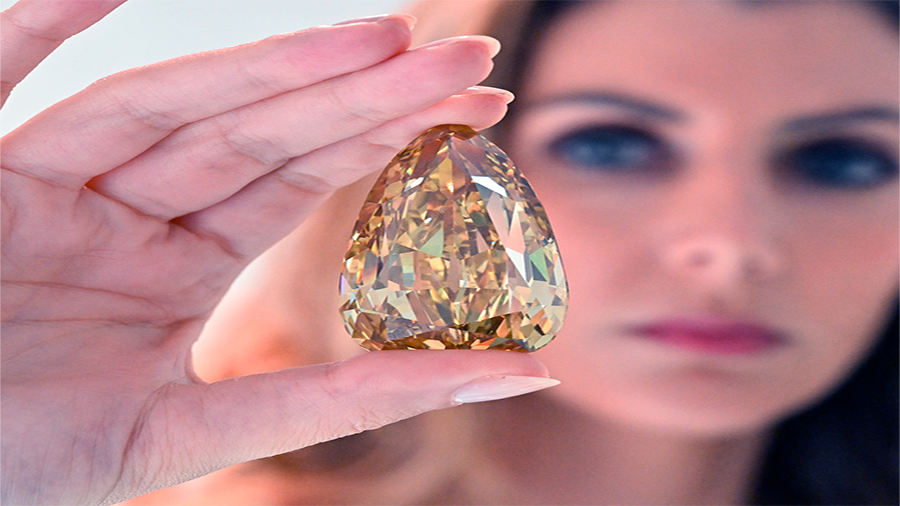
Several forces drive the growing interest in gemstones. Global demand for luxury goods continues to rise, particularly in regions where wealth is expanding rapidly, such as Asia and the Middle East. Limited supply also pushes values upward: high-quality rubies, emeralds, and sapphires are finite resources. Investors recognize that unlike metals, gemstones cannot be mass-produced. Environmental and ethical sourcing concerns further shape the market, as consumers increasingly value stones certified as conflict-free. These dynamics—scarcity, cultural demand, and ethical validation—create conditions where gemstones are seen as not only luxury items but also long-term financial assets.
Scarcity as Value
The rarity of high-quality stones sets them apart. Once mined and sold, they cannot be replicated or replaced like metals.
Risks Associated with Gemstone Investing
While gemstones attract interest, they carry unique risks. Valuation is complex and subjective. Unlike gold, whose price is quoted daily, gemstone pricing depends on expert grading, certificates, and market sentiment. Liquidity can be limited—selling quickly may require accepting lower prices. Counterfeits and synthetic stones pose additional threats. Even experienced investors may struggle to verify authenticity without specialized knowledge. Insurance and storage also require specific considerations. Investors who succeed typically work with certified gemologists and trusted auction houses. Understanding these risks is crucial, because what makes gemstones appealing—their uniqueness—also makes them harder to manage compared to metals.
Knowledge as Protection
Education and reliable intermediaries are essential. Without them, the risks of overpaying or buying misrepresented stones increase significantly.
Narrative Scenario: A Collector-Turned-Investor
Consider a collector who starts with passion rather than finance. Over the years, they acquire rubies and sapphires from trusted dealers. As financial markets grow uncertain, the collection gains unexpected importance. When the investor evaluates their holdings, certified stones show strong appreciation, especially rare untreated rubies. While selling them requires time and connections, the final sales at auction far exceed the original purchase prices. This narrative reflects how gemstones shift from luxury passion to financial security. Investors willing to learn from collectors often discover that patience and expertise transform gemstones into credible wealth-preservation assets.
The Lesson
Long-term perspective matters. Gemstone investments rarely deliver overnight gains but reward patience and careful selection.
How Auctions Shape Gemstone Values
Auctions play a critical role in price discovery. Unlike metals traded on exchanges, gemstones often find their value through competitive bidding. High-profile auctions set benchmarks for certain stones, influencing market sentiment. Investors monitor these events to gauge demand and forecast trends. A sapphire breaking records at a major auction can spark renewed interest in similar stones. Auction houses also enforce rigorous authenticity standards, offering a measure of security to buyers. However, auctions can inflate prices through hype, leaving casual investors at risk of overpaying. Still, they remain a central arena where gemstones transform from luxury items into financial benchmarks.
The Auction Effect
Public bidding does more than sell stones—it creates transparency in a fragmented market by setting visible prices.
Forward-Looking Outlook for Gemstone Investment
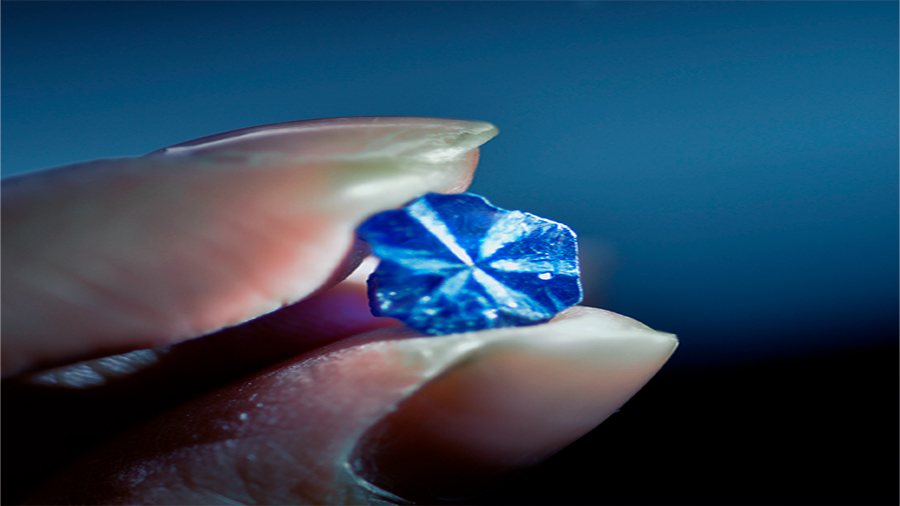
The gemstone market is expected to grow alongside global wealth. Digital platforms are emerging to make gemstone investing more accessible, with blockchain-based certificates addressing authenticity concerns. As sustainability becomes central to luxury markets, ethically sourced stones will command premiums. Younger investors, drawn to tangible and aesthetic assets, may view gemstones as a way to diversify beyond traditional financial instruments. However, the same risks—valuation complexity and liquidity limits—will persist. The key will be greater transparency and standardization, perhaps mirroring developments that stabilized the gold market in the past. Gemstones are unlikely to replace metals but will complement them.
The Future Investor
Tomorrow’s gemstone investor will rely on both technology and tradition: certificates, digital marketplaces, and the timeless appeal of rarity.
Conclusion
Gemstones are emerging as a viable alternative investment, offering rarity, portability, and independence from traditional financial cycles. While they lack the liquidity and standardization of gold and silver, they provide unique opportunities for diversification. The table comparing gemstones with metals highlights both their strengths and weaknesses. Narrative examples show how collections evolve into financial assets, while forward-looking perspectives underline the role of technology and ethics in shaping future markets. For investors willing to learn, gemstones represent not just luxury, but also a credible complement to precious metals in long-term strategies for wealth preservation and growth.
